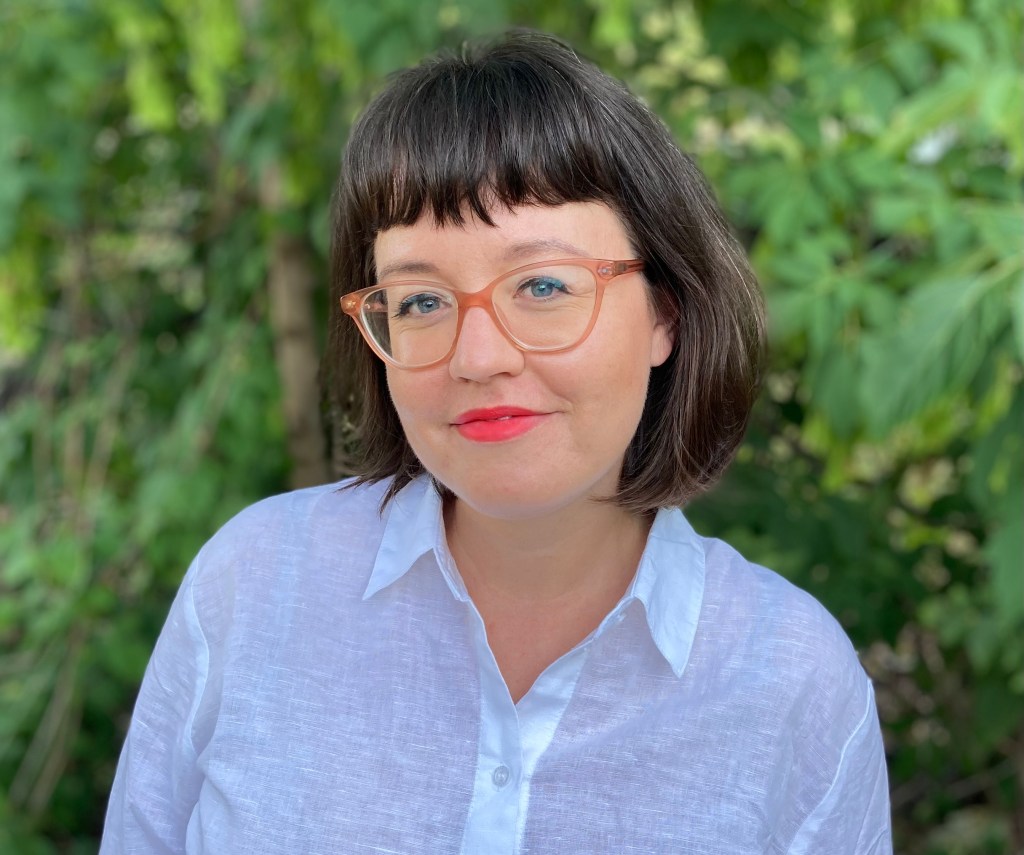
I am an Assistant Professor of English in the School of Arts and Communication at Florida Tech. My research interests include 20th and 21st century literature, theories of world literature and cultural production, literary sociology, translation studies, media studies, book history, and critical data and algorithm studies. In the 2025–26 academic year, my work was supported by a fellowship from ACLS, the American Council of Learned Societies.
The World Republic of Data
New Project
When Amazon founded its translation imprint, Amazon Crossing, in 2010 commentators were confused. Why would a multi-million-dollar corporation engage in the niche and financially risky endeavor of publishing literary translations, a job usually reserved for small, independent publishers subsidized by private foundations and federal grants? By 2015, Amazon Crossing was the largest translation publisher in the US, translating primarily romances, mysteries, and thrillers into English, French, German, Italian, and Spanish.
Amazon Crossing’s success is measured, by its own account, in terms of data. Relying on a bespoke dataset that compares Amazon Crossing’s translations with those of its four largest competitors across variables like user ratings and reviews, The World Republic of Data tracks Amazon Crossing’s use of linguistic translation to fuel Amazon’s global circulation of data across national marketplaces. By closely reading examples from the dataset—from ratings-producing blockbusters like Elena Ferrante’s Neapolitan Quartet to crossover genre fiction in translation like Oliver Pötzsch’s The Hangman’s Daughter—the book reveals that literary history is being transformed by this pursuit of data capital: a type of 21st-century capital that captures aesthetic judgments and translates them into valuable prediction metrics. By offering a look inside the black box of big data, The World Republic of Data reveals how its use affects what books are published, where they come from, and who makes them. As global cultural production becomes increasingly datafied, this book gives us the tools to think about how data are reshaping our literary worlds.
Selling Books with Algorithms
Teaching
I’ve taught an interdisciplinary class on modern civilization, survey classes on World Literature to 1650, and 1650 to now, a course in 20th and 21st century literature, a literary theory course, as well as an upper-level world literature seminar called and a graduate course on the Institutions of World Literature. I am currently teaching a capstone research seminar in the humanities.

